
Archives
-
- Error: Please check if you enter Instagram username and Access Token in Theme Setting > Social Profiles
Connect to Us
Recent Tours
Scenery, Historical, Delphi, Classical, DayTours
Macedonia – Makedonia in N. Greece: Aegae/ Pella/ Philippi/ Amfipolis/ Edessa/ Florina/ Thessaloniki/ Kavala
Thessaloniki is the capital of the geographic region of Macedonia in Northern Greece. As the second-largest city in Greece, it serves as the administrative, economic, and cultural hub for the Macedonia and Thrace region. It is often referred to as the “co-capital” (Symprotévousa) of Greece.
Thessaloniki is Greece’s vibrant, second-largest city and the historic,, cultural capital of Macedonia. Known as a “co-capital” with a rich blend of Roman, Byzantine, and Ottoman history, it is a bustling, youthful, and top foodie destination. Key highlights include the iconic White Tower, Aristotelous Square, and a lively waterfront.
Edessa is a historic city in Central Macedonia, Greece, widely known as the “City of Waters”. Famous for its stunning, large waterfalls (specifically the 70-meter Karanos waterfall) and numerous canals throughout the city.
History: Known as the first capital of ancient Macedonia, founded by King Caranus. It was called Vodena during the Slavic/Ottoman period, meaning “watery”.
Atmosphere: Picturesque, lush, and green, featuring the traditional Varosi district with preserved Macedonian architecture, old mills, and Byzantine bridges.
The School of Aristotle in ancient Mieza (near modern Naoussa) is where the world’s greatest philosopher tutored its greatest conqueror, Alexander the Great. The Royal “Peripatos”
The Setting: Located in the Nymphaion (Sanctuary of the Nymphs), the school was an idyllic retreat filled with natural springs, lush vegetation, and caves.
The Curriculum: Between 343 and 340 BC, Aristotle taught a teenage Alexander and other Macedonian nobles (like Ptolemy and Hephaestion) subjects ranging from ethics and politics to medicine and Homeric poetry.
Arcaheological site of Philippi: Founded in 356 BC by Philip II of Macedon (father of Alexander the Great), who renamed the original settlement, Krinides, after himself.
Roman History: Site of the Battle of Philippi in 42 BC, where Octavian and Mark Antony defeated the assassins of Julius Caesar (Brutus and Cassius) “Small Rome“: Following the battle, it became a Roman colony and was redesigned to resemble a miniature Rome, complete with a Forum and monumental architecture.
Christian Milestone: It is the birthplace of Christianity in Europe. The Apostle Paul established the first European Christian community here in 49/50 AD and baptized Lydia, the first recorded European convert.
The Old Town (Panagia): A maze of narrow cobblestone streets, colorful mansions, and Ottoman-era monuments, all crowned by a 15th-century Byzantine fortress. Iconic Landmarks: Kamares: A massive 16th-century arched aqueduct that still dominates the city center.
Tobacco History: Once the “Mecca of Tobacco,” the city is dotted with grand neoclassical warehouses that reflect its early 20th-century wealth.
Spiritual Significance: It is where the Apostle Paul first set foot in Europe, leading to the first Christian baptism on the continent in nearby Philippi.
Florina: A beautiful town in Western Macedonia, Greece, known for being the “City of Letters and Arts”. It’s considered the coldest city in Greece, famous for its snowy winters, neoclassical mansions along the Sakoulevas River, and lush forests.
Local Flavors: Famous for its PDO-certified Florina Red Peppers (sweet and smoky) and high-quality beans from the nearby Prespa Lakes.
History: Its motto is “Where Greece begins.” It has a rich, multicultural past (Byzantine, Ottoman, and Slavic influences) and was liberated in 1912.
Nymfaio: Often described as one of the ten most beautiful villages in Europe, Nymfaio (also spelled Nymfeon) is a historic mountain village in the Florina region of Northern Greece.
Key Highlights
Fairytale Aesthetic: Located at an altitude of 1,350m on Mount Vitsi, it is famous for its neoclassical stone mansions, cobblestone streets, and galvanized metal roofs designed to shed heavy snow.
The Arcturos Sanctuary: Home to the Arcturos Environmental Center, a famous refuge for rescued brown bears, wolves, and lynxes that cannot survive in the wild.
Vlach Heritage: Originally settled in the 14th century by Vlach nomads, it became a major silversmithing and goldsmithing center in the Balkans during the 18th and 19th centuries.
Serres: Located in the heart of Central Macedonia, Serres is one of Northern Greece’s most important administrative and economic hubs, known for its deep history and distinctive culinary identity.
The Vibe: A bustling, modern city built on a fertile plain near the Strymon River, offering a mix of vibrant cafe culture and historical depth.
The Food (Legendary): Bougatsa: Serres is considered the “home” of this famous Greek pastry; its hand-stretched, paper-thin phyllo is widely regarded as the best in the country.
Akanés: A unique, soft candy similar to Turkish delight but flavored with fresh goat’s butter and spring water from the nearby mountains.
Buffalo Products: Nearby Lake Kerkini is famous for buffalo farming, producing rich meats and creamy dairy products.
Bezesteni: A massive, 15th-century Ottoman covered market that now serves as the city’s Archaeological Museum.
Thessaloniki, Greece’s culinary capital and a UNESCO City of Gastronomy, offers an exceptional, affordable dining scene rich in Mediterranean flavors,,, traditional bougatsa pastries,, and fresh seafood. Key spots include the bustling Kapani and Modiano markets for street food, and neighborhoods like Valaoritou for nightlife,, offering a mix of historic tavernas and modern cocktail bars.
Must-Try Foods & Drinks:
Bougatsa: A creamy or cheese-filled pastry, quintessential to Thessaloniki.
Meze & Seafood: Enjoy paidakia (lamb chops), soutzoukakia (spicy meatballs), and fresh seafood at local tavernas.
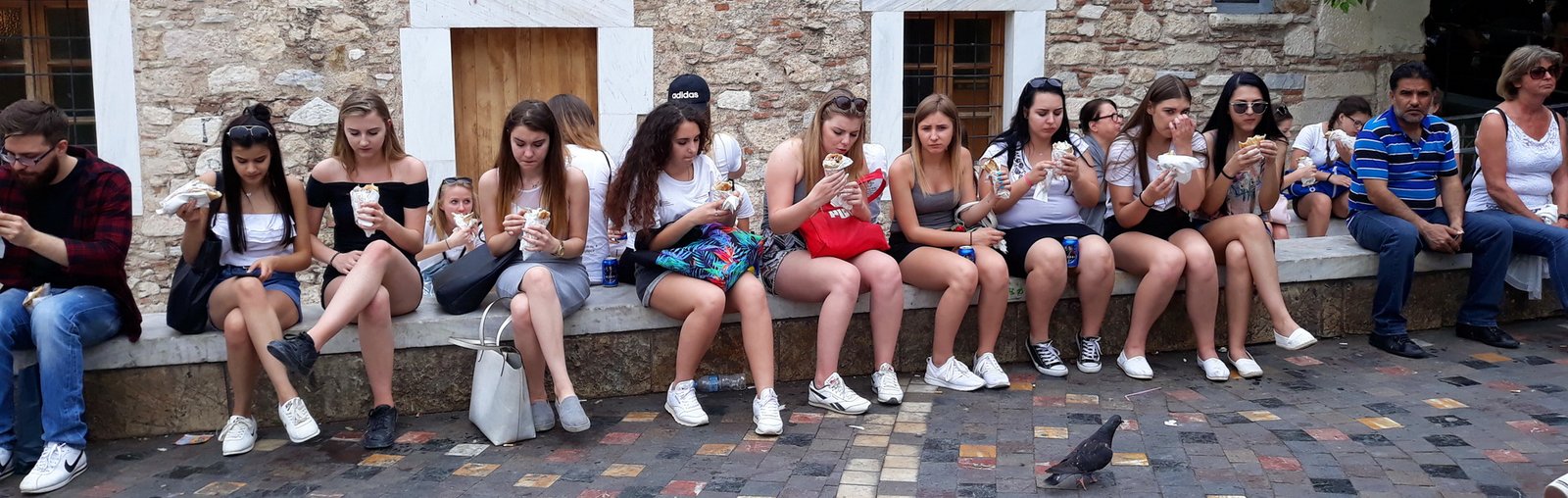
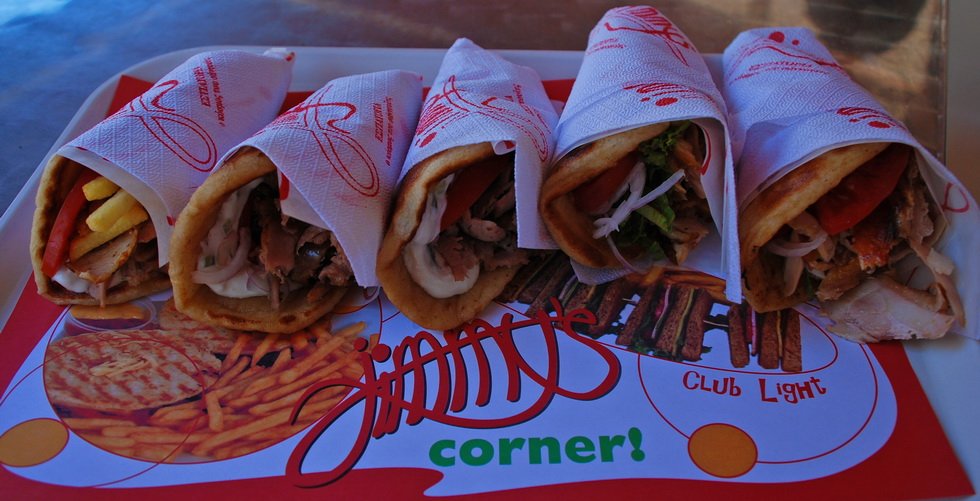
Street Food: Try koulouri (sesame bread ring), gyros, and souvlaki.
Drinks: Pair meals with local Macedonian wine, ouzo, or tsipouro.
Dining Districts & Experiences:
Markets: Visit Kapani for authentic, bustling, and affordable lunch spots.
Ladadika: A historic district packed with tavernas and bars with a lively, rustic atmosphere.
Valaoritou & Rotunda: Known for youth-oriented, trendy cocktail bars and vibrant nightlife.
Viewpoints: The Skyline Bar in the OTE Tower offers drinks with a panoramic city view.
The best time to visit Thessaloniki is during the shoulder seasons – April to June and September to October -offering warm, comfortable weather for exploring without the intense summer heat or peak crowds. Spring offers blooming flowers and pleasant temperatures, while fall is ideal for sightseeing.
See All View Travel offers private tours in Thessaloniki from Makedonia airport duration up to 8 hours or in Multi day tours. Best Approach: 2 days recommended for a relaxed visit .
Our tour drivers are seasoned travelers and are dedicated to helping you live the tour of your life, that is suited to your needs and lifestyle, where you can relax, have no worry of driving, allowing all passengers to enjoy the scenic drives through the charm city of Thessaloniki, stopping wherever you desire to take photos or have a break. Any combination or schedule of tour can be arranged for you depending on the time you have available.
Important Note: A day tour can be effected from weather conditions or day light save hours. (End October – End March). Also traffic conditions special in Thessaloniki center….
About Us
We see all views of Greece from different angles. We view the classical, historical, biblical, modern sites of Greece as travellers, not as tourists. Learn more about our exclusive tours and latest travel tips on our blog. Join us on social media for real-time updates and stunning photos of our tours.

+30 697 305 7711
Navarchou Votsi 43 - Athens 17236 - Greece
Mon - Sat 08:00 - 22:00 Sunday 10:00 - 20:00